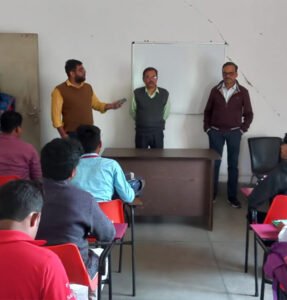
Skills Required for Safety Professional
In today’s fast-growing industrial world, safety professionals play a crucial role in ensuring workplace safety, preventing accidents, and maintaining compliance with safety regulations. From construction sites to manufacturing industries, the demand for trained safety officers is increasing rapidly in India and abroad.
To build a successful career in this field, it is not enough to only complete a safety course. A professional safety officer must develop a combination of technical knowledge, practical ability, and communication skills. This blog explains the most important skills required to become a successful safety professional.
Understanding the Role of a Safety Professional
A safety professional is responsible for identifying hazards, evaluating risks, implementing safety procedures, and ensuring that all workers follow safety guidelines. Their main goal is to reduce workplace accidents and create a safe working environment.
According to industry standards, safety officers are expected to manage risk assessment, emergency response planning, and compliance with safety regulations across different industrial sectors.
Technical Skills Required for a Safety Professional
Technical skills form the foundation of a safety officer’s career. These skills are essential for handling workplace hazards and implementing safety systems effectively.
1. Risk Assessment and Hazard Identification
One of the most important responsibilities is identifying potential hazards in the workplace. A safety professional must be able to analyze risks and take preventive measures before accidents occur.
2. Knowledge of Safety Regulations
Understanding national and international safety standards is essential. Safety professionals must ensure that industries follow legal guidelines and safety protocols to avoid penalties and accidents.
3. Emergency Response Planning
A safety officer must be trained in preparing emergency procedures such as fire evacuation plans, accident response strategies, and disaster management systems.
4. Fire Safety and Prevention Knowledge
Fire safety is a key part of industrial safety. Professionals must understand fire behavior, fire prevention systems, and the correct use of fire safety equipment.
Soft Skills Required for a Safety Professional
Along with technical knowledge, soft skills are equally important for managing people and ensuring smooth safety operations.
1. Communication Skills
Safety professionals must clearly communicate safety instructions to workers, supervisors, and management. Clear communication helps in preventing misunderstandings and accidents.
2. Leadership and Decision Making
In emergency situations, quick decision-making and leadership skills are essential to handle crises effectively and protect lives.
3. Attention to Detail
Even a small mistake can lead to major accidents. A safety officer must carefully inspect workplaces, machinery, and processes.
4. Problem Solving Ability
When safety issues arise, professionals must quickly identify the cause and find effective solutions to prevent further risks.
Practical Skills Needed in Industrial Safety Jobs
Apart from theory and communication, practical skills are highly valued in the industry.
Safety Inspections
Regular inspection of workplaces helps ensure compliance with safety standards and identifies hidden risks.
Safety Training and Awareness
Safety professionals are responsible for training workers on safety procedures, use of equipment, and emergency response techniques.
Accident Investigation
In case of incidents, safety officers must investigate the cause, prepare reports, and suggest preventive measures.
Importance of Developing Safety Skills
Developing these skills is essential for building a strong career in the fire and industrial safety field. Industries such as construction, oil and gas, manufacturing, and chemical plants require highly skilled safety professionals.
A well-trained safety officer not only ensures compliance but also saves lives, protects assets, and improves overall workplace productivity.
Career Growth in Safety Profession
With the right combination of skills and certification, safety professionals can work in roles such as:
- Safety Officer
- Fire Safety Officer
- HSE Supervisor
- Industrial Safety Manager
- Risk Assessment Specialist
The demand for skilled safety professionals is increasing both in India and international markets, especially in Gulf countries.
Conclusion
A successful safety professional must have a balanced mix of technical expertise, practical knowledge, and soft skills. From risk assessment to communication and leadership, every skill contributes to creating a safer work environment.
If you are planning to build a career in fire and industrial safety, focusing on these essential skills will help you grow faster and succeed in this high-demand industry.
For professional training and career guidance in safety courses, proper institute-based learning plays a key role in shaping your future.