Fire and Safety Course After 12th
Choosing the right career after Class 12 can be challenging, especially for students who want to enter a professional field without spending several years completing a traditional degree. A Fire and Safety course after 12th can be an excellent option for students interested in workplace safety, fire prevention, emergency management, and industrial safety.
With industries becoming increasingly focused on employee safety, fire prevention, risk management, and regulatory compliance, trained fire and safety professionals are required across manufacturing, construction, oil and gas, chemicals, logistics, infrastructure, healthcare, hospitality, and other sectors.
For students looking for a career-oriented course after 12th, Fire and Safety education provides an opportunity to develop both technical knowledge and practical safety skills.
In this guide, we will explain everything you need to know about a Fire and Safety course after 12th, including eligibility, course duration, fees, syllabus, career opportunities, job roles, skills, and how to choose the right institute.
What Is a Fire and Safety Course?
A Fire and Safety course is a professional program designed to provide students with knowledge and skills related to fire prevention, fire protection, industrial safety, emergency response, workplace hazards, safety management, and risk assessment.
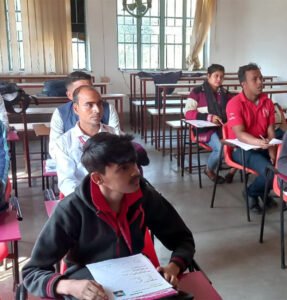
The course combines theoretical learning with practical aspects of fire and industrial safety. Students learn how to identify potential hazards, understand fire prevention systems, conduct safety inspections, respond to emergencies, and contribute to maintaining safer workplaces.
Depending on the institute and course level, students may study subjects such as:
- Fire Science and Engineering
- Industrial Safety
- Fire Prevention and Protection
- Fire Detection and Alarm Systems
- Fire Risk Assessment
- Life Safety Measures
- Safety Audits
- Emergency Planning
- Firefighting Equipment
- Industrial Safety Management
- Safety Legislation
- Active and Passive Fire Protection
- Mock Drills
- Behaviour-Based Safety
SVDET’s Diploma in Fire Safety Engineering includes several of these areas and is designed to prepare students for careers in fire and industrial safety management.
Can I Do a Fire and Safety Course After 12th?
Yes. Students who have completed Class 12 can pursue eligible Fire and Safety diploma-level programs.
At SVDET, the Diploma in Fire Safety Engineering (DFSE) lists 12th pass candidates among the eligible applicants. The course page also lists graduates, diploma holders, and ITI candidates as eligible categories.
This makes Fire and Safety a practical career option for students who want to begin professional training after higher secondary education.
Before applying, students should always check the eligibility requirements of the specific course and institution because admission criteria can vary between programs.
Fire and Safety Course Eligibility After 12th
The basic eligibility for many diploma-level Fire and Safety courses is completion of Class 12 or an equivalent qualification.
For the DFSE program at SVDET, the listed eligibility categories include:
- 12th Pass
- Graduation in any stream
- Diploma holders
- ITI candidates
Students should check the latest admission requirements with the institute before submitting an application.
If you have recently completed Class 12 and are interested in fire prevention, industrial safety, emergency management, or safety-related careers, a diploma course can provide a focused pathway into the field.
Fire and Safety Course Duration After 12th
Course duration depends on the program and institution.
The Diploma in Fire Safety Engineering offered through SVDET is a one-year program.
A one-year professional program can be useful for students who want to acquire specialized skills within a relatively short period and then explore entry-level opportunities in the safety sector.
Students should distinguish between different course levels before taking admission. Diploma, advanced diploma, certificate, and degree programs can have different eligibility requirements, durations, curricula, and career pathways.
Fire and Safety Course Fees in 2026
The fee for a Fire and Safety course can vary depending on the institute, course structure, practical training, facilities, affiliation, and other factors.
Students should not choose an institute based only on the lowest course fee. It is important to consider:
- Course curriculum
- Practical training
- Faculty experience
- Institute facilities
- Course affiliation
- Certification
- Placement support
- Industry exposure
- Safety equipment and training facilities
- Location and accessibility
SVDET does not currently publish a fixed fee figure for the DFSE course on the course page. Students interested in admission should contact the institute directly to confirm the latest 2026 fee structure, admission charges, and available payment options.
Fire and Safety Course Syllabus
A good Fire and Safety course should cover both fundamental concepts and practical applications.
The Fire Safety Engineering program at SVDET includes topics designed to build knowledge of fire protection and industrial safety.
1. Fundamentals of Industrial Safety
Students learn the basic principles of workplace safety and how safety practices can reduce accidents, injuries, and occupational hazards.
2. Fire Science and Engineering
This subject introduces students to the science of fire, fire behaviour, combustion, and the principles used to prevent and control fires.
3. Life Safety Measures
Life safety is an important part of fire protection. Students learn about measures designed to protect people during emergencies and facilitate safe evacuation.
4. Industrial Safety Management
This area focuses on identifying workplace hazards and implementing safety procedures within industrial environments.
5. Fire Risk Assessment
Students learn how to identify fire hazards, evaluate potential risks, and understand appropriate preventive measures.
6. Fire Detection and Alarm Systems
Modern buildings and industrial facilities rely on detection and alarm systems for early identification of fire. Students learn about the principles and implementation of these systems.
7. Active and Passive Fire Protection
Students are introduced to active and passive fire prevention and control systems and understand their role in protecting buildings, equipment, and people.
8. AutoCAD Applications
The course also includes applications of AutoCAD related to fire safety, providing students with an additional technical skill relevant to safety planning and system design.
9. Safety Audits
Safety audits help organizations identify hazards, evaluate existing safety measures, and improve workplace safety practices.
10. Fire and Industrial Safety Legislation
Students learn about the importance of safety-related legislation, compliance, and regulatory requirements within industrial environments.
11. Behaviour-Based Safety
Safety is not only about equipment and regulations. Human behaviour plays an important role in preventing workplace accidents. Behaviour-based safety helps students understand how safe work practices can be encouraged.
12. Mock Drills
Practical mock drills can help students understand emergency response procedures and develop confidence in handling safety-related situations.
These components are included among the course highlights described by SVDET for its Fire Safety programs.
Skills You Can Develop Through a Fire and Safety Course
A professional Fire and Safety course can help students develop a combination of technical and workplace skills.
Important skills include:
- Fire hazard identification
- Risk assessment
- Emergency response
- Fire prevention techniques
- Safety inspection
- Safety auditing
- Fire protection system awareness
- Workplace hazard management
- Emergency evacuation planning
- Safety documentation
- Communication skills
- Team coordination
- Basic technical drawing and AutoCAD applications
- Safety awareness and leadership
These skills can be useful when working in industrial, construction, infrastructure, commercial, and other environments where safety management is important.
Career Scope After a Fire and Safety Course
Fire and Safety offers career opportunities across multiple industries because organizations need trained professionals to help prevent accidents, manage hazards, and maintain safety standards.
After completing a relevant Fire and Safety qualification, students may explore roles such as:
Safety Officer
Safety Officers help organizations identify workplace hazards, conduct inspections, implement safety procedures, and promote safe working practices.
Fire Safety Officer
Fire Safety Officers focus specifically on fire prevention, fire protection systems, emergency preparedness, inspections, and fire safety procedures.
Fire and Safety Supervisor
A Fire and Safety Supervisor may assist with safety monitoring, emergency preparedness, workplace inspections, and coordination of safety activities.
Safety Supervisor
Safety Supervisors help monitor workplace activities and ensure that employees follow established safety procedures.
Fire Prevention Professional
Professionals working in fire prevention may be involved in identifying fire hazards and recommending appropriate preventive and protective measures.
Safety Executive
Safety Executives can support organizations with inspections, documentation, training, compliance activities, and workplace safety programs.
The exact job title and eligibility requirements depend on the employer, qualification, experience, and applicable regulations.
Industries That Hire Fire and Safety Professionals
Fire and Safety professionals can work across a wide range of sectors.
Manufacturing
Factories and manufacturing plants involve machinery, electrical systems, chemicals, materials, and other potential hazards. Safety professionals help organizations identify and manage these risks.
Construction
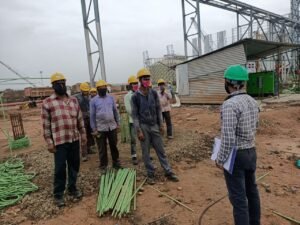
Construction sites involve working at height, heavy machinery, electrical systems, excavation, and other hazards. Safety professionals play an important role in maintaining safe working conditions.
Oil and Gas
Oil and gas facilities require strict fire prevention and safety procedures because of the presence of flammable materials and high-risk processes.
Chemical Industries
Chemical plants require specialized safety practices because of chemical exposure, fire hazards, explosions, and other occupational risks.
Power and Energy
Power plants and energy facilities require professionals who understand industrial hazards, emergency procedures, and safety management.
Hospitals and Healthcare Facilities
Healthcare facilities also require fire prevention, emergency preparedness, evacuation planning, and workplace safety measures.
Hotels and Hospitality
Hotels, resorts, and other hospitality establishments need appropriate fire safety systems and emergency procedures to protect guests and employees.
Infrastructure and Large Projects
Large infrastructure projects require safety professionals to monitor hazards and help implement workplace safety procedures.
SVDET’s Fire Safety programs highlight opportunities across sectors including manufacturing, petroleum, petrochemicals, fertilizers, textiles, LPG and LNG facilities, chemicals, aviation, iron and steel, mining, construction, government fire services, insurance, architectural and building design, and project management.
Fire and Safety Course After 12th: Is It a Good Career Choice?
For students who are interested in technical work, emergency management, workplace safety, and responsibility-driven careers, Fire and Safety can be a strong option.
The field is particularly suitable for students who:
- Want a professional course after 12th
- Prefer practical and skill-based education
- Are interested in fire prevention and safety
- Want to work in industrial environments
- Have an interest in emergency management
- Want to develop technical and safety-management skills
- Are comfortable working as part of a team
- Want to explore opportunities across multiple industries
However, students should understand that safety careers require responsibility, discipline, continuous learning, and awareness of workplace regulations.
Fire and Safety Course vs Industrial Safety Course
Fire Safety and Industrial Safety are closely connected but have different areas of focus.
Fire Safety primarily focuses on:
- Fire prevention
- Fire detection
- Fire protection
- Emergency response
- Fire risk assessment
- Evacuation
- Fire safety systems
Industrial Safety has a broader workplace focus, including:
- Occupational hazards
- Workplace accidents
- Industrial processes
- Machinery safety
- Safety management
- Risk assessment
- Safety audits
- Regulatory compliance
Students who are interested in both areas can consider programs that provide exposure to Fire and Industrial Safety Management.
Why Choose SVDET for Fire and Safety Education?
Swami Vivekananda Development and Educational Trust was established in 2015 and focuses on employability-oriented education and professional skill development. The organization states that it aims to empower the rural population of West Bengal through education and training.
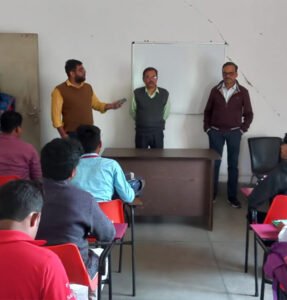
SVDET’s safety-focused education emphasizes industry-relevant knowledge, practical training, experienced faculty, and career development.
Its Fire Safety programs cover areas such as fire science, industrial safety, fire risk assessment, fire detection and alarm systems, fire prevention and control systems, safety audits, legislation, behaviour-based safety, soft skills, and mock drills.
For students looking for a Fire and Safety course after 12th, choosing an institute with a structured curriculum and practical exposure can be an important step toward building the right foundation for a safety career.
How to Apply for a Fire and Safety Course
Students interested in joining a Fire and Safety program should follow the institute’s admission process.
A typical admission process involves:
- Completing the application form
- Selecting the appropriate course
- Providing the required academic and personal information
- Confirming the fee structure and payment details
- Completing the admission formalities
SVDET provides an application process through its website, where prospective students can select their program and proceed with the admission process.
Students should keep their academic documents ready and contact the institute if they need clarification about eligibility, fees, course commencement dates, or admission requirements.
Frequently Asked Questions About Fire and Safety Course After 12th
Can I do a Fire and Safety course after 12th?
Yes. Several Fire and Safety diploma programs accept students who have completed Class 12. SVDET’s DFSE course specifically lists 12th-pass candidates as eligible.
What is the duration of a Fire and Safety course after 12th?
The duration depends on the specific program. SVDET’s Diploma in Fire Safety Engineering is a one-year course.
What is the fee for a Fire and Safety course?
Fees vary according to the course and institution. SVDET’s current DFSE course page does not specify a fixed fee amount, so students should contact the institute for the latest 2026 fee structure.
What subjects are taught in a Fire and Safety course?
Subjects can include Fire Science and Engineering, Industrial Safety Management, Fire Risk Assessment, Fire Detection and Alarm Systems, Life Safety Measures, Fire Prevention and Control Systems, Safety Audits, Safety Legislation, AutoCAD applications, Behaviour-Based Safety, and Mock Drills.
What jobs can I get after a Fire and Safety course?
Depending on qualification and employer requirements, graduates may explore roles such as Safety Officer, Fire Safety Officer, Safety Supervisor, Fire and Safety Supervisor, Safety Executive, and other safety-related positions.
Is Fire and Safety a good career after 12th?
It can be a suitable career option for students interested in fire prevention, industrial safety, emergency management, and workplace risk management. Students should evaluate the course curriculum, practical training, recognition, career support, and eligibility requirements before choosing an institute.
Which industries hire Fire and Safety professionals?
Fire and Safety professionals can find opportunities in manufacturing, construction, oil and gas, chemicals, infrastructure, mining, power, healthcare, hospitality, aviation, and other sectors where workplace and fire safety are important.
Start Your Fire and Safety Career After 12th
A Fire and Safety course after 12th can provide students with specialized knowledge in fire prevention, industrial safety, risk assessment, emergency response, and workplace safety management.
The right course can help you develop practical skills while introducing you to career opportunities across a wide range of industries. However, choosing the right institute is equally important. Students should compare eligibility requirements, course duration, curriculum, practical exposure, affiliations, facilities, faculty, placement support, and fee structure before making a decision.
If you are looking for a career-oriented Fire and Safety program after Class 12, explore the Fire Safety courses offered by Swami Vivekananda Development and Educational Trust and contact the institute to learn more about the latest admission process, course fees, and available programs.
A strong foundation in Fire and Safety can be the first step toward a professional career focused on protecting people, workplaces, property, and industrial environments.