Physiotherapy Specializations
Physiotherapy is a healthcare field focused on improving movement, mobility, physical function, and rehabilitation. It can support people recovering from injuries, surgeries, neurological conditions, sports injuries, and other physical limitations.
As students explore physiotherapy as a career, it is useful to understand the different areas in which physiotherapy professionals can work. Orthopedic, neurological, and sports physiotherapy are three important areas that involve different patient needs, treatment approaches, and rehabilitation goals.
For students planning to build a career in physiotherapy, understanding these areas can also help them decide which skills and subjects they may want to develop during their education.
What Is Physiotherapy Specialization?
Physiotherapy covers a broad range of rehabilitation and movement-related care. Depending on the patient’s condition and rehabilitation requirements, physiotherapy professionals may work in areas such as orthopedics, neurology, sports injury management, rehabilitation, elderly care, and other healthcare settings.
A physiotherapy education provides students with foundational knowledge of the human body, movement, exercise therapy, rehabilitation techniques, and related clinical practices.
The Diploma in Physiotherapy at SVDE Trust includes subjects and practical training related to orthopedics, neurology, paralysis management, sports injuries, rehabilitation, exercise therapy, electrotherapy, and clinical physiotherapy practice.
1. Orthopedic Physiotherapy
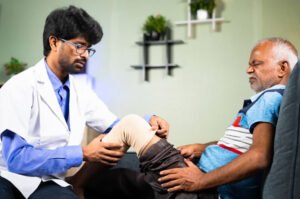
Orthopedic physiotherapy focuses on conditions affecting the muscles, bones, joints, ligaments, and other parts of the musculoskeletal system.
People may require orthopedic rehabilitation following an injury, surgery, joint problem, or condition affecting their movement.
Common Areas of Orthopedic Physiotherapy
Orthopedic physiotherapy may involve rehabilitation related to:
- Joint pain and stiffness
- Muscle injuries
- Sports-related musculoskeletal injuries
- Back and neck problems
- Fracture rehabilitation
- Post-surgical recovery
- Limited joint movement
- Arthritis-related mobility problems
What Does an Orthopedic Physiotherapy Professional Do?
Depending on their qualification and professional role, physiotherapy professionals may assist with movement assessment, therapeutic exercises, mobility improvement, pain-management techniques, and rehabilitation exercises.
Students interested in this area can benefit from developing a strong understanding of anatomy, physiology, basic orthopedics, exercise therapy, and rehabilitation.
These subjects form part of the Diploma in Physiotherapy curriculum at SVDE Trust.
2. Neurological Physiotherapy
Neurological physiotherapy focuses on rehabilitation for people experiencing movement and functional difficulties associated with neurological conditions.
Neurological rehabilitation can involve patients who have experienced conditions affecting the brain, spinal cord, or nervous system.
Areas Covered in Neurological Physiotherapy
Depending on the patient’s condition, rehabilitation may involve:
- Stroke recovery
- Paralysis rehabilitation
- Movement difficulties
- Balance and coordination problems
- Muscle weakness
- Mobility limitations
- Recovery following certain neurological conditions
The goal of rehabilitation can include improving movement, functional ability, balance, mobility, and independence according to the patient’s condition and treatment plan.
Why Is Neurological Rehabilitation Important?
Neurological conditions can affect movement and everyday activities in different ways. Physiotherapy can form part of a multidisciplinary rehabilitation approach, helping patients work toward functional goals through appropriate exercises and rehabilitation techniques.
At SVDE Trust, the Diploma in Physiotherapy curriculum includes Neurology & Paralysis Management along with practical exposure to stroke and paralysis rehabilitation.
3. Sports Physiotherapy
Sports physiotherapy focuses on the prevention, assessment, rehabilitation, and recovery of sports-related injuries.
Athletes and physically active individuals may experience injuries involving muscles, joints, ligaments, and other structures. Proper rehabilitation can help support a safe return to physical activity.
Common Sports Injuries
Sports-related physiotherapy may involve rehabilitation for conditions such as:
- Muscle strains
- Ligament injuries
- Sprains
- Overuse injuries
- Joint injuries
- Sports-related muscle pain
- Post-injury mobility limitations
What Skills Are Useful in Sports Physiotherapy?
Students interested in sports physiotherapy can develop knowledge of:
- Exercise therapy
- Muscle and joint assessment
- Rehabilitation techniques
- Injury management
- Mobility exercises
- Recovery planning
- Sports injury prevention principles
SVDE Trust’s Diploma in Physiotherapy includes Sports Injury Management and practical training related to rehabilitation and exercise therapy.
Orthopedic vs Neurological vs Sports Physiotherapy
Although all three areas involve rehabilitation and movement, their focus can be different.
| Physiotherapy Area | Main Focus | Examples of Patient Needs |
|---|---|---|
| Orthopedic Physiotherapy | Muscles, bones and joints | Joint problems, injuries, post-surgery rehabilitation |
| Neurological Physiotherapy | Neurological movement and function | Stroke, paralysis, balance and mobility difficulties |
| Sports Physiotherapy | Sports and physical activity-related injuries | Sprains, strains, sports injuries and return-to-activity rehabilitation |
Understanding these differences can help students identify the areas they may want to explore during their physiotherapy education.
What Do Students Learn During a Diploma in Physiotherapy?
A strong foundation is important before exploring specialized areas of physiotherapy.
The Diploma in Physiotherapy at SVDE Trust is a 2-year program. The listed eligibility is 10+2 with Science and 45% marks.
The curriculum includes subjects such as:
First Year
- Human Anatomy
- Human Physiology
- Fundamentals of Physiotherapy
- Basic Orthopedics
- Exercise Therapy – I
Second Year
- Electrotherapy
- Rehabilitation Therapy
- Neurology & Paralysis Management
- Sports Injury Management
- Clinical Physiotherapy Practice
This combination gives students exposure to different aspects of physiotherapy before they move toward further education, specialization, or professional opportunities.
Why Practical Training Matters in Physiotherapy
Physiotherapy is a practical healthcare field. Understanding theoretical concepts is important, but students also need opportunities to learn how physiotherapy techniques are applied in practical environments.
SVDE Trust lists practical training in areas such as:
- Muscle testing and joint movement assessment
- Exercise therapy techniques
- Pain management therapy
- Stroke and paralysis rehabilitation
- Post-surgery recovery therapy
- Use of physiotherapy machines
The course also lists a physiotherapy laboratory, electrotherapy equipment, an exercise therapy and rehabilitation setup, patient treatment demonstration facilities, and clinical training in a hospital environment.
Career Opportunities After a Diploma in Physiotherapy
After completing a Diploma in Physiotherapy, career opportunities depend on the individual’s qualification, practical experience, employer requirements, and applicable professional regulations.
SVDE Trust currently lists potential roles including:
- Physiotherapy Assistant
- Rehabilitation Therapist
- Sports Injury Therapist
- Clinic Assistant in an Orthopedic Centre
- Fitness & Wellness Centre Therapist
- Home Care Physiotherapy Provider
Students should check the specific qualification and professional requirements applicable to any role before starting employment.
Can You Specialize After a Diploma in Physiotherapy?
A diploma can provide foundational knowledge of different physiotherapy areas. Students who want to continue their education can explore further qualifications or specialization options, depending on the eligibility requirements of the institution and program.
SVDE Trust currently lists possible higher-study pathways including:
- Bachelor in Physiotherapy (BPT)
- Sports Physiotherapy Specialization
- Rehabilitation Therapy Courses
Students should verify the latest admission and eligibility requirements before choosing a higher-study pathway.
How to Choose an Area of Physiotherapy
There is no single specialization that is suitable for every student. Your choice can depend on your interests, preferred working environment, and the type of patients you would like to work with.
If You Are Interested in Bones, Muscles & Joints
Orthopedic physiotherapy may be an area worth exploring.
If You Are Interested in Rehabilitation & Neurological Conditions
Neurological physiotherapy can provide exposure to rehabilitation related to movement and neurological conditions.
If You Are Interested in Sports & Physical Activity
Sports physiotherapy may be an interesting direction for students who want to work around sports injuries and physical performance.
Building a broad foundation during your initial physiotherapy education can help you understand these different areas before deciding on your future pathway.
Why Choose SVDE Trust for Diploma in Physiotherapy?
SVDE Trust offers a 2-year Diploma in Physiotherapy designed around physical rehabilitation, pain management, movement therapy, and practical physiotherapy skills.
The course combines classroom learning with practical and clinical exposure. Students can study anatomy, physiology, orthopedics, exercise therapy, electrotherapy, rehabilitation, neurological rehabilitation, sports injury management, and clinical physiotherapy practice.
The institute also lists physiotherapy laboratory facilities, electrotherapy machines, rehabilitation facilities, hospital-based clinical training, experienced physiotherapist trainers, and internship assistance.
Frequently Asked Questions
What are the main areas of physiotherapy specialization?
Physiotherapy has several areas of practice. Orthopedic, neurological, and sports physiotherapy are three important areas, while rehabilitation and other specialized fields also exist.
What is orthopedic physiotherapy?
Orthopedic physiotherapy focuses on rehabilitation related to the musculoskeletal system, including muscles, bones, joints, and movement-related conditions.
What is neurological physiotherapy?
Neurological physiotherapy focuses on rehabilitation for movement and functional difficulties associated with neurological conditions. Stroke and paralysis rehabilitation are examples of areas covered in physiotherapy training.
What is sports physiotherapy?
Sports physiotherapy focuses on the rehabilitation and management of sports-related injuries and helping individuals return to physical activity appropriately.
Does the SVDE Trust Diploma in Physiotherapy include sports injury training?
Yes. Sports Injury Management is listed as a second-year subject in the Diploma in Physiotherapy curriculum.
Does the course include neurological physiotherapy?
The course includes Neurology & Paralysis Management and practical exposure to stroke and paralysis rehabilitation.
What is the duration of the Diploma in Physiotherapy at SVDE Trust?
The Diploma in Physiotherapy at SVDE Trust is listed as a 2-year program.
Conclusion
Physiotherapy offers different areas of professional practice, including orthopedic, neurological, and sports physiotherapy. Each area involves different patient needs and rehabilitation objectives.
For students interested in building a career in physiotherapy, developing a strong foundation in anatomy, physiology, exercise therapy, rehabilitation, orthopedics, neurology, and sports injury management can provide useful exposure to the wider field.
SVDE Trust’s Diploma in Physiotherapy combines these subjects with practical and clinical training, giving students an opportunity to develop foundational knowledge and practical skills across multiple areas of physiotherapy.
If you are planning a career in physiotherapy after 12th, explore the Diploma in Physiotherapy at SVDE Trust, check the current eligibility requirements, and learn more about the course and its practical training opportunities.