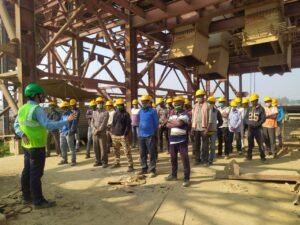
Fire Risk Assessment
Fire safety is one of the most important aspects of maintaining a safe workplace. Whether it is a manufacturing unit, warehouse, hospital, office building, or commercial establishment, fire hazards can create serious risks to human life, property, and business operations.
A small electrical fault, improper storage of flammable materials, or neglected fire protection equipment can lead to a major emergency if not identified in time. This is why conducting a regular Fire Risk Assessment is essential for every organisation.
A systematic fire risk assessment helps identify potential fire hazards, evaluate possible risks, and implement preventive measures before an incident occurs. It also helps organisations improve emergency preparedness and develop a stronger workplace safety culture.
In this guide, we will explain the fire risk assessment process, important inspection points, common fire hazards, and practical prevention measures.
What Is a Fire Risk Assessment?
A Fire Risk Assessment is a systematic process of identifying fire hazards within a workplace or building, evaluating the risks they create, and determining suitable measures to prevent fires and protect people.
The assessment generally focuses on three important questions:
- What are the possible sources of fire?
- Who could be affected if a fire occurs?
- What preventive and protective measures are required?
The main objective is to reduce the possibility of fire and ensure that people can respond safely during an emergency.
Why Is Fire Risk Assessment Important?
Conducting a fire risk assessment is important for several reasons.
1. Identifies Potential Fire Hazards
Regular inspections help identify hazards such as faulty electrical connections, overloaded power sockets, combustible materials, and improper chemical storage.
2. Protects Employees and Visitors
A proper assessment considers everyone present in the workplace, including employees, visitors, contractors, and people who may require additional assistance during evacuation.
3. Reduces Property Damage
Identifying fire hazards early helps organisations take corrective action and reduce the possibility of damage to machinery, equipment, inventory, and infrastructure.
4. Improves Emergency Preparedness
Fire risk assessments help organisations evaluate evacuation procedures, fire alarm systems, emergency exits, and firefighting equipment.
5. Supports Fire Safety Compliance
Organisations need to understand and follow applicable fire safety requirements. The National Building Code of India 2016, particularly Part 4: Fire and Life Safety, provides important guidance on building fire safety, life safety, and fire protection.
Step-by-Step Fire Risk Assessment Process
A systematic assessment should follow a structured approach.
Step 1: Identify Potential Fire Hazards
The first step is to identify anything that could start or contribute to the spread of a fire.
Common fire hazards include:
- Faulty electrical wiring and damaged equipment.
- Overloaded electrical sockets.
- Open flames and hot surfaces.
- Welding, cutting, and other hot work activities.
- Flammable liquids, gases, and chemicals.
- Improper storage of combustible materials.
- Smoking in restricted areas.
- Poor housekeeping and accumulated waste.
Identifying these hazards helps safety professionals understand where fire prevention measures are needed.
Step 2: Identify People at Risk
The next step is to determine who could be affected by a fire.
This may include:
- Employees and workers.
- Visitors and customers.
- Contractors and maintenance personnel.
- Security and housekeeping staff.
- People with disabilities or mobility limitations.
- Individuals working in isolated or high-risk areas.
Special attention should be given to people who may need additional assistance during an emergency evacuation.
Step 3: Evaluate the Level of Fire Risk
After identifying hazards and people at risk, the next step is to evaluate the likelihood of a fire and its potential consequences.
Consider the following factors:
- The possibility of ignition.
- The quantity and type of combustible materials.
- The effectiveness of existing fire protection systems.
- The availability of emergency exits.
- The possibility of smoke spreading.
- The number of people occupying the building.
Risks should be prioritised according to their severity and the urgency of corrective action required.
Step 4: Implement Fire Prevention and Protection Measures
Once risks are identified, appropriate preventive and protective measures should be implemented.
These may include:
Electrical Safety: Conduct regular electrical inspections, repair damaged wiring, and avoid overloading electrical circuits.
Safe Material Storage: Store flammable liquids and chemicals in suitable designated areas with appropriate safety controls.
Fire Detection Systems: Install and maintain suitable smoke detectors, heat detectors, and fire alarm systems.
Firefighting Equipment: Provide appropriate fire extinguishers, hydrants, and other firefighting systems according to the building’s requirements and identified hazards.
Emergency Exits: Keep escape routes clear, properly marked, and accessible.
Housekeeping: Remove unnecessary combustible waste and maintain clean and organised workspaces.
Step 5: Prepare an Emergency Evacuation Plan
Every workplace should have a clear emergency response and evacuation plan.
An effective plan should include:
- Clearly identified emergency exit routes.
- Designated assembly points.
- Emergency contact information.
- Roles and responsibilities of emergency response personnel.
- Evacuation arrangements for people requiring assistance.
- Procedures for raising the alarm.
- Regular emergency drills.
Employees should understand how to respond when a fire alarm is activated and where to assemble after evacuation.
Step 6: Record Findings and Review the Assessment
A fire risk assessment should be properly documented.
The report should include identified hazards, people at risk, existing safety measures, additional corrective actions, and responsible personnel.
The assessment should also be reviewed periodically and whenever significant changes occur, such as new machinery, building modifications, changes in workplace activities, or the introduction of hazardous materials.
Workplace Fire Risk Assessment Checklist
A practical checklist helps safety professionals inspect important fire safety arrangements systematically.
Use the following checklist during workplace inspections:
Fire Hazard Identification
- Electrical wiring and connections are inspected.
- Flammable materials are stored appropriately.
- Waste and combustible materials are removed.
- Hot work activities follow approved safety procedures.
- Smoking restrictions are followed.
Fire Protection Equipment
- Suitable fire extinguishers are available.
- Fire extinguishers are accessible and maintained.
- Fire alarms and detection systems are operational.
- Fire hydrants and other installed systems are inspected.
- Emergency lighting is functional.
Emergency Evacuation
- Emergency exits are clearly marked.
- Escape routes are free from obstructions.
- Evacuation plans are displayed.
- Assembly points are identified.
- Employees know the emergency procedures.
Training and Documentation
- Employees receive appropriate fire safety training.
- Fire drills are conducted and recorded.
- Inspection records are maintained.
- Emergency contacts are available.
- Corrective actions are documented and followed up.
Note: This is a general workplace checklist. Actual inspection requirements should be adapted to the building type, occupancy, workplace hazards, and applicable fire safety regulations.
Common Fire Risk Assessment Mistakes to Avoid
Even organisations with firefighting equipment can have gaps in their fire safety arrangements.
Some common mistakes include:
1. Ignoring Small Electrical Problems: Damaged cables, loose connections, and overloaded circuits should never be overlooked.
2. Blocking Emergency Exits: Storage materials, furniture, or equipment should not obstruct evacuation routes.
3. Neglecting Fire Extinguisher Maintenance: Firefighting equipment must be inspected and maintained according to applicable requirements.
4. Lack of Employee Training: Employees should understand alarm signals, evacuation procedures, and their emergency responsibilities.
5. Not Updating Assessment Reports: Workplace changes can introduce new fire hazards. Assessments should be reviewed whenever necessary.
6. Skipping Fire Drills: Without practical emergency exercises, employees may struggle to respond effectively during an actual fire.
Who Is Responsible for Conducting a Fire Risk Assessment?
Fire risk assessments should be carried out by a competent person with suitable knowledge and experience in fire hazards, fire prevention, risk evaluation, and emergency safety procedures.
Depending on the nature of the premises, this may involve:
- Fire Safety Officers.
- Industrial Safety Officers.
- Fire Safety Engineers.
- EHS Professionals.
- Qualified Fire Safety Consultants.
These professionals help organisations identify risks, evaluate existing protection systems, recommend corrective measures, and improve workplace safety practices.
How Does Fire Safety Training Help Build Skilled Professionals?
Understanding fire risk assessment is an important part of developing a career in fire and industrial safety.
Professional training helps students understand fire science, hazard identification, firefighting equipment, fire detection systems, safety inspections, emergency response, and applicable safety legislation.
At Swami Vivekananda Development & Educational Trust (SVDET), students are introduced to important areas of fire and industrial safety through specialised training programmes.
The institution offers courses such as:
- Diploma in Fire Safety Engineering (DFSE)
- Advanced Diploma in Fire Safety Management (ADFSM)
- Advanced Diploma in Industrial Safety (ADIS)
These programmes cover relevant subjects such as Fire Risk Assessment, Fire Science & Engineering, Fire Detection and Alarm Systems, Fire Prevention and Control Systems, Safety Audits, and Mock Drills.
Students interested in developing professional knowledge and practical skills in this field can explore the available programmes at SVDET.
Frequently Asked Questions (FAQs)
1. What is the main purpose of a fire risk assessment?
The main purpose is to identify potential fire hazards, evaluate the risks to people and property, and recommend suitable measures to prevent fires and improve emergency preparedness.
2. How often should a fire risk assessment be conducted?
The assessment should be reviewed periodically and whenever significant workplace or building changes occur. The frequency should depend on the nature of the premises, applicable regulations, and the level of risk.
3. Who can conduct a fire risk assessment?
A competent person with appropriate fire safety knowledge, skills, and experience should conduct the assessment. Complex industrial or commercial premises may require specialist fire safety professionals.
4. What are the three main elements of fire risk assessment?
The three fundamental elements are identifying fire hazards, identifying people at risk, and evaluating the level of risk to determine suitable preventive and protective measures.
5. What equipment is required for workplace fire safety?
Depending on the premises and identified risks, equipment may include fire extinguishers, smoke detectors, heat detectors, fire alarm systems, hydrants, emergency lighting, and other suitable fire protection systems.
6. Is fire risk assessment important for industrial workplaces?
Yes. Industrial workplaces may involve electrical systems, machinery, combustible materials, chemicals, and hot work activities. A systematic assessment helps identify and control these hazards.
7. Which course helps students learn about fire risk assessment?
Courses such as Diploma in Fire Safety Engineering and Advanced Diploma in Fire Safety Management cover fire risk assessment, fire prevention, firefighting systems, safety inspections, and emergency preparedness.
Conclusion
A proper Fire Risk Assessment is an essential part of creating a safer workplace. By identifying fire hazards, evaluating risks, maintaining firefighting equipment, and preparing effective evacuation plans, organisations can improve safety and reduce the possibility of serious fire incidents.
However, effective fire safety depends on more than equipment and procedures. It also requires trained professionals who understand how to identify hazards, assess risks, and implement appropriate preventive measures.
If you are interested in building a professional career in fire and industrial safety, explore the specialised training programmes offered by Swami Vivekananda Development & Educational Trust (SVDET).
Build your knowledge. Develop practical safety skills. Help create safer workplaces.
Visit https://svdetrust.in/ to learn more about the available courses and admission opportunities.