Healthcare Courses After 12th Science
Choosing the right career after Class 12 is an important decision, especially for students from the Science stream who are interested in healthcare. While becoming a doctor is one well-known career path, the healthcare sector offers many other professional opportunities in areas such as physiotherapy, pharmacy, laboratory support, hospital administration, and allied healthcare services.
With the healthcare industry becoming increasingly diverse, students can explore healthcare courses after 12th Science that match their interests, skills, and long-term career goals.
SVDE Trust offers a range of healthcare and paramedical programs designed to provide students with career-oriented education and practical knowledge. Its current healthcare course portfolio includes Diploma in Physiotherapy (DPT), Diploma in Pharmacy (D.Pharm), Certificate in Phlebotomy (CPL), and BBA in Hospital Management.
Why Choose a Healthcare Course After 12th Science?
Healthcare is a broad field that requires professionals across different areas—not only doctors and nurses.
Hospitals, diagnostic centres, rehabilitation facilities, pharmacies, clinics, and healthcare organizations require trained professionals to support patient services and day-to-day operations.
Depending on their interests, students can choose a course related to:
- Patient rehabilitation
- Pharmacy and medicines
- Blood collection and laboratory support
- Hospital administration
- Healthcare operations
- Patient services
- Allied healthcare
A healthcare course can therefore provide students with a focused pathway into a specific area of the healthcare sector.
Top Healthcare Courses After 12th Science at SVDE Trust
Students looking for healthcare-oriented courses can explore different programs according to their interests.
1. Diploma in Physiotherapy (DPT)
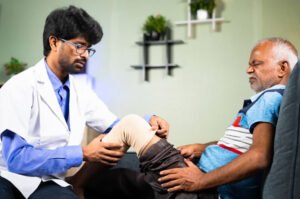
Physiotherapy is a healthcare field focused on rehabilitation, movement, pain management, and improving physical function.
The Diploma in Physiotherapy at SVDE Trust is a 2-year program, with eligibility listed as 10+2 with Science and 45% marks. The course covers subjects including anatomy, physiology, fundamentals of physiotherapy, orthopedics, exercise therapy, electrotherapy, rehabilitation therapy, and clinical physiotherapy practice.
Students also receive practical exposure in areas such as:
- Exercise therapy
- Muscle and joint movement assessment
- Pain management techniques
- Rehabilitation
- Stroke and paralysis rehabilitation
- Sports injury management
- Use of physiotherapy equipment
Career Opportunities After Diploma in Physiotherapy
Depending on qualification, experience, and employer requirements, students can explore roles such as:
- Physiotherapy Assistant
- Rehabilitation Therapist
- Sports Injury Therapist
- Clinic Assistant
- Fitness & Wellness Centre Therapist
- Home Care Physiotherapy Provider
SVDE Trust also lists higher-study pathways such as Bachelor in Physiotherapy, sports physiotherapy specialization, and rehabilitation-related courses.
2. Diploma in Pharmacy (D.Pharm)
Pharmacy is another important area of healthcare for students interested in medicines, pharmaceutical science, and patient medication support.
The Diploma in Pharmacy (D.Pharm) at SVDE Trust is listed as a 2-year professional healthcare course. The program covers areas such as pharmacology, pharmaceutical chemistry, drug formulation, and hospital and clinical pharmacy.
Students interested in pharmacy can develop knowledge related to:
- Medicines and formulations
- Pharmacology
- Pharmaceutical chemistry
- Prescription handling
- Hospital pharmacy
- Clinical pharmacy
- Pharmaceutical practices
Career Opportunities After D.Pharm
Depending on qualification, registration, experience, and applicable requirements, pharmacy graduates can explore opportunities in:
- Hospitals
- Retail pharmacies
- Pharmaceutical companies
- Medical stores
- Hospital pharmacy departments
- Pharmaceutical manufacturing
- Related healthcare organizations
Students can also explore further education and professional development after completing their diploma.
3. Certificate in Phlebotomy (CPL)
Students interested in diagnostic healthcare and laboratory support can consider phlebotomy.
Phlebotomy focuses on the professional collection of blood samples and related laboratory support procedures.
SVDE Trust lists a Certificate in Phlebotomy (CPL) as a specialized paramedical training program focused on professional blood collection and laboratory support.
A phlebotomy training program can help students understand areas such as:
- Blood sample collection
- Patient preparation
- Sample identification
- Sample handling
- Hygiene and safety
- Infection-control practices
- Patient communication
- Basic laboratory support procedures
Career Opportunities in Phlebotomy
Depending on training and employer requirements, trained professionals may explore opportunities in:
- Diagnostic laboratories
- Hospitals
- Pathology centres
- Clinics
- Blood collection facilities
- Healthcare organizations
For students who prefer practical, patient-facing healthcare work connected with diagnostic services, phlebotomy can be an area worth exploring.
4. BBA in Hospital Management
Not every student interested in healthcare wants to work directly in clinical or laboratory roles.
Students who are interested in management, administration, communication, and hospital operations can explore hospital management.
SVDE Trust currently lists its BBA in Hospital Management as a 3-year program, with eligibility of 10+2 with Science and 45% marks. The course covers areas including hospital administration, patient registration, medical records, hospital billing and insurance procedures, healthcare laws and ethics, inventory coordination, quality management, and communication in healthcare.
What Can You Learn in Hospital Management?
Students can develop knowledge in areas such as:
- Hospital administration
- Patient services
- Medical records management
- Hospital billing
- Insurance procedures
- Healthcare operations
- Quality management
- Communication and public relations
- Healthcare documentation
Career Opportunities After BBA in Hospital Management
Depending on qualification and employer requirements, career opportunities may include:
- Hospital Administrator Assistant
- Front Office Executive
- Medical Record Officer
- Patient Care Coordinator
- Insurance & Billing Executive
- Clinic Manager
- Healthcare Operations Executive
These roles can be found across hospitals, clinics, diagnostic centres, and other healthcare organizations.
Which Healthcare Course Is Right for You?
There is no single healthcare course that is suitable for every student.
The right choice depends on your interests, strengths, preferred working environment, and career goals.
| Your Interest | Course to Explore |
|---|---|
| Physical rehabilitation & patient recovery | Diploma in Physiotherapy |
| Medicines & pharmaceutical science | Diploma in Pharmacy |
| Blood collection & diagnostic support | Certificate in Phlebotomy |
| Hospital administration & management | BBA in Hospital Management |
These courses represent different areas of the healthcare sector, so students should understand the course structure, eligibility, practical training, and career pathways before enrolling.
Healthcare Courses: Clinical vs Non-Clinical Career Paths
One useful way to understand healthcare careers is to consider the type of work involved.
Clinical & Patient-Care Related Areas
Courses such as physiotherapy involve direct interaction with patients and practical rehabilitation-related work.
Diagnostic & Laboratory Support
Phlebotomy focuses on blood collection and related laboratory support procedures.
Pharmaceutical Sector
Pharmacy focuses on medicines, pharmaceutical science, and pharmacy-related professional responsibilities.
Healthcare Administration
Hospital management focuses more on the administrative and operational side of healthcare organizations.
This variety allows Science students to explore healthcare careers according to their individual interests.
Skills Students Should Develop Alongside Their Course
A professional healthcare career requires more than academic knowledge.
Students should also work on practical and professional skills.
Communication Skills
Healthcare professionals regularly interact with patients, families, colleagues, and other professionals. Clear and respectful communication is therefore important.
Attention to Detail
Healthcare involves documentation, procedures, patient information, and professional protocols. Attention to detail can help students develop responsible working habits.
Teamwork
Healthcare organizations operate through collaboration between different departments and professionals. Teamwork is therefore an important workplace skill.
Practical Skills
Depending on the course, students should gain appropriate practical exposure related to their chosen specialization.
Professionalism
Punctuality, responsibility, patient respect, hygiene, and ethical conduct are important qualities across healthcare environments.
Why Practical Training Matters in Healthcare Education
Healthcare is a practical field. Students need to understand not only theoretical concepts but also how their knowledge is applied in professional environments.
For example, SVDE Trust’s Diploma in Physiotherapy includes practical training and clinical exposure covering areas such as rehabilitation, exercise therapy, pain management, and physiotherapy equipment.
Similarly, students choosing phlebotomy need appropriate training in blood collection and sample handling, while hospital management students benefit from understanding real-world administrative and patient-service processes.
When comparing courses, students should therefore look beyond the course name and consider the curriculum, practical exposure, training environment, and progression opportunities.
Career Scope After Healthcare Courses
The healthcare sector includes a wide range of organizations and professional environments.
Depending on their qualification and career path, students may explore opportunities in:
- Hospitals
- Clinics
- Diagnostic centres
- Rehabilitation centres
- Pharmacies
- Healthcare organizations
- Medical facilities
- Patient-service departments
- Laboratory support services
- Healthcare administration
Career progression depends on several factors, including qualification, practical skills, experience, additional training, professional registration where applicable, and employer requirements.
Students should also check the current professional and regulatory requirements associated with their chosen career before beginning employment.
How to Choose the Right Healthcare Course After 12th
Before enrolling in a course, students should consider the following factors.
1. Understand Your Interest
Ask yourself what type of healthcare work interests you most.
Do you prefer rehabilitation, medicines, diagnostic support, or administration?
2. Check Eligibility
Different courses have different eligibility requirements. Always check the current requirements of the institution before applying.
For example, SVDE Trust currently lists Science with 45% marks as the eligibility for its Diploma in Physiotherapy and BBA in Hospital Management programs.
3. Review the Curriculum
Look at the subjects and practical components before choosing a course.
4. Consider Practical Exposure
Healthcare education should provide appropriate opportunities to understand practical procedures and professional environments.
5. Understand Career Opportunities
Research the roles associated with your chosen qualification and understand what additional qualifications or registration may be required.
6. Think About Long-Term Growth
Consider whether you want to start working after your initial qualification or pursue higher education and specialization later.
Why Choose SVDE Trust for Healthcare Education?
Swami Vivekananda Development & Educational Trust (SVDE Trust) offers multiple career-oriented programs across healthcare, paramedical, safety, and related fields.
Its healthcare-focused course portfolio currently includes:
- Diploma in Physiotherapy
- Diploma in Pharmacy
- Certificate in Phlebotomy
- BBA in Hospital Management
- PG Diploma in Psychology & Counselling
The institute highlights practical learning, career-oriented education, experienced faculty, and employability-focused training as part of its educational approach.
This range allows students to explore different career directions within the broader healthcare sector.
Frequently Asked Questions
Which healthcare courses can I pursue after 12th Science?
Students can explore courses in areas such as physiotherapy, pharmacy, phlebotomy, hospital management, and other allied healthcare fields. SVDE Trust currently offers programs in these areas.
Can I enter healthcare without becoming a doctor?
Yes. Healthcare includes many professional and support roles beyond doctors. Students can explore fields such as physiotherapy, pharmacy, phlebotomy, and hospital administration.
Which healthcare course is suitable for students interested in rehabilitation?
Students interested in physical rehabilitation, mobility, exercise therapy, and patient recovery can explore Diploma in Physiotherapy. SVDE Trust’s DPT program is a 2-year course.
Which course is related to medicines?
Diploma in Pharmacy is focused on pharmaceutical science, medicines, and pharmacy-related practices.
Which healthcare course focuses on blood collection?
Phlebotomy focuses on professional blood collection and related laboratory support procedures. SVDE Trust offers a Certificate in Phlebotomy.
What can I study if I am interested in hospital administration?
Students interested in hospital operations, administration, patient services, billing, documentation, and healthcare management can explore BBA in Hospital Management.
Conclusion
Choosing a healthcare course after 12th Science can open the door to several different career pathways. Students do not have to limit themselves to traditional medical careers. Physiotherapy, pharmacy, phlebotomy, and hospital management are examples of different areas within the wider healthcare ecosystem.
The right course depends on your interests, eligibility, preferred type of work, practical learning opportunities, and long-term career plans.
SVDE Trust offers multiple healthcare and paramedical programs designed to help students develop specialized knowledge and career-oriented skills.
Planning your career after 12th Science? Explore the healthcare courses at SVDE Trust, check your eligibility, and choose a program that matches your career goals.