How to Start a Career in Physiotherapy After 12th
Choosing a career after Class 12 can be challenging, especially for students interested in healthcare but looking beyond traditional medical careers. Physiotherapy is one of the allied healthcare fields that focuses on physical rehabilitation, movement, pain management, and recovery.
For students interested in helping people regain mobility and improve their quality of life, a physiotherapy course can provide a practical starting point for a healthcare career.
In this guide, SVDE Trust explains how students can start a career in physiotherapy after 12th, what qualifications are required, what they can learn during the course, and the career opportunities available after completing their training.
What Is Physiotherapy?
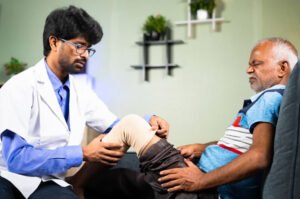
Physiotherapy is a healthcare field focused on improving movement, physical function, mobility, and rehabilitation. Physiotherapy-related care can be used in areas such as injury recovery, sports injuries, post-surgery rehabilitation, neurological rehabilitation, and mobility-related conditions.
Students who choose this field learn about the human body and different rehabilitation techniques, including exercise therapy, electrotherapy, movement assessment, and other physiotherapy practices.
SVDE Trust’s Diploma in Physiotherapy is designed around physical rehabilitation, pain management, movement therapy, and practical rehabilitation skills.
Can You Start a Physiotherapy Career After 12th?
Yes, students can explore physiotherapy-related education after completing Class 12. However, the eligibility requirements depend on the specific course and institution.
At SVDE Trust, the Diploma in Physiotherapy (DPT) is listed as a 2-year professional paramedical course. The stated eligibility is 10+2 with Science and 45% marks.
Students should always verify the latest admission requirements before enrolling because eligibility and professional requirements can vary between programs.
Step 1: Complete Class 12 With the Required Subjects
The first step is completing Class 12 with the subjects and marks required by the physiotherapy program you want to join.
For the Diploma in Physiotherapy at SVDE Trust, the current course page specifies 10+2 Science with 45% marks as the eligibility requirement.
If you are currently studying in Class 12, it is useful to research your preferred course early so you understand the admission requirements before completing school.
Step 2: Choose the Right Physiotherapy Course
After Class 12, students can explore different physiotherapy education pathways depending on their qualifications and long-term goals.
A diploma-level program can provide focused education and practical training in physiotherapy-related areas.
SVDE Trust offers a 2-year Diploma in Physiotherapy (DPT) covering subjects such as:
- Human Anatomy
- Human Physiology
- Fundamentals of Physiotherapy
- Basic Orthopedics
- Exercise Therapy
- Electrotherapy
- Rehabilitation Therapy
- Neurology and Paralysis Management
- Sports Injury Management
- Clinical Physiotherapy Practice
Before selecting an institute, students should compare the curriculum, practical facilities, clinical exposure, faculty, course duration, eligibility, and progression opportunities.
Step 3: Develop Practical Physiotherapy Skills
Physiotherapy is a practical healthcare field, so classroom knowledge is only one part of the learning process.
Students need opportunities to understand how physiotherapy techniques are applied in real-world settings.
At SVDE Trust, practical training includes areas such as:
- Muscle testing and joint movement assessment
- Exercise therapy techniques
- Pain management therapy
- Stroke and paralysis rehabilitation
- Post-surgery recovery therapy
- Use of physiotherapy equipment
The institute also lists a physiotherapy laboratory, electrotherapy equipment, an exercise therapy and rehabilitation setup, patient treatment demonstration facilities, and hospital-based clinical training.
Step 4: Gain Clinical Exposure
Clinical exposure can help students understand how physiotherapy is practiced in healthcare environments.
Working in a supervised clinical environment can introduce students to patient interaction, assessment techniques, rehabilitation procedures, professional communication, and teamwork.
SVDE Trust’s DPT course includes clinical physiotherapy practice and hospital-environment training as part of its practical learning approach.
Step 5: Build Important Skills
A successful career in physiotherapy requires more than academic knowledge. Students should gradually develop both technical and professional skills.
Communication Skills
Physiotherapy involves regular interaction with patients. Clear and respectful communication is important when explaining exercises, procedures, and recovery plans.
Observation Skills
Students need to learn how to observe movement, mobility, posture, and physical limitations as part of their training.
Patient Handling Skills
Working with patients requires patience, professionalism, and appropriate techniques for supporting movement and rehabilitation.
Technical Skills
Students can develop knowledge of exercise therapy, electrotherapy, rehabilitation techniques, and physiotherapy equipment through appropriate training.
Teamwork
Healthcare professionals often work as part of a multidisciplinary team. Students should therefore develop professional teamwork and communication skills.
What Can You Do After a Diploma in Physiotherapy?
After completing a Diploma in Physiotherapy, career opportunities depend on the qualification, practical experience, employer requirements, and applicable professional regulations.
SVDE Trust currently lists potential career roles such as:
- Physiotherapy Assistant
- Rehabilitation Therapist
- Sports Injury Therapist
- Clinic Assistant in an Orthopedic Centre
- Fitness & Wellness Centre Therapist
- Home Care Physiotherapy Provider
Students should check the specific eligibility, registration, and scope-of-practice requirements applicable to any role before starting employment.
Where Can Physiotherapy Professionals Work?
Depending on their qualification and role, physiotherapy-trained professionals may find opportunities in different healthcare and wellness environments, including:
- Hospitals
- Rehabilitation centres
- Orthopedic clinics
- Physiotherapy clinics
- Sports and fitness centres
- Wellness facilities
- Home healthcare services
The exact role and responsibilities depend on the individual’s qualification, experience, and applicable professional requirements.
Can You Study Further After a Diploma in Physiotherapy?
A diploma does not necessarily have to be the end of your education.
SVDE Trust currently lists possible higher-study pathways including:
- Bachelor in Physiotherapy (BPT)
- Sports Physiotherapy specialization
- Rehabilitation Therapy courses
Progression options can vary depending on the institution and applicable admission requirements, so students should confirm eligibility before planning their next qualification.
Why Practical Training Matters in Physiotherapy
When choosing a physiotherapy course, students should look beyond the course title.
Practical exposure can help students understand how theoretical concepts are applied to real patients and rehabilitation situations.
A good learning environment should ideally provide access to relevant equipment, practical demonstrations, clinical exposure, and experienced trainers.
SVDE Trust highlights practical training through its physiotherapy laboratory, electrotherapy equipment, rehabilitation setup, hospital-based clinical training, and experienced physiotherapist trainers.
How to Choose a Physiotherapy Institute After 12th
Before taking admission, consider the following:
1. Check Eligibility
Make sure you meet the academic requirements of the course.
2. Review the Curriculum
Check whether the course covers anatomy, physiology, exercise therapy, electrotherapy, rehabilitation, orthopedics, and clinical practice.
3. Look at Practical Facilities
A physiotherapy course should provide opportunities for hands-on learning wherever applicable.
4. Ask About Clinical Exposure
Find out whether students receive practical or hospital-based exposure as part of their training.
5. Check Faculty Experience
Experienced trainers can contribute to a stronger practical learning environment.
6. Understand Career Pathways
Research the roles available after completing the qualification and understand any further education or professional requirements.
7. Check Admission Requirements
Always confirm the current course duration, eligibility, fees, certification, and other admission details directly with the institute.
Why Choose SVDE Trust for Diploma in Physiotherapy?
SVDE Trust offers a Diploma in Physiotherapy (DPT) as part of its healthcare and paramedical education programs. The listed course duration is two years, with eligibility of 10+2 Science and 45% marks.
The course combines academic subjects with practical and clinical learning. Students can study anatomy, physiology, orthopedics, exercise therapy, electrotherapy, rehabilitation, sports injury management, and clinical physiotherapy practice.
SVDE Trust also lists physiotherapy laboratory facilities, electrotherapy equipment, rehabilitation facilities, hospital-based clinical training, experienced physiotherapist trainers, and internship assistance.
Frequently Asked Questions
Can I study physiotherapy after 12th?
Yes. Students can explore physiotherapy diploma and degree programs after Class 12, subject to the eligibility requirements of the specific institution.
What is the eligibility for Diploma in Physiotherapy at SVDE Trust?
SVDE Trust currently lists 10+2 with Science and 45% marks as the eligibility requirement for its Diploma in Physiotherapy.
How long is the Diploma in Physiotherapy at SVDE Trust?
The course duration listed by SVDE Trust is 2 years.
What subjects are taught in a physiotherapy diploma?
Subjects listed by SVDE Trust include anatomy, physiology, fundamentals of physiotherapy, orthopedics, exercise therapy, electrotherapy, rehabilitation therapy, neurology, sports injury management, and clinical physiotherapy practice.
What jobs can I pursue after a Diploma in Physiotherapy?
Depending on qualification and applicable requirements, potential roles listed by SVDE Trust include Physiotherapy Assistant, Rehabilitation Therapist, Sports Injury Therapist, Clinic Assistant, Fitness & Wellness Centre Therapist, and Home Care Physiotherapy Provider.
Can I pursue higher studies after a Diploma in Physiotherapy?
SVDE Trust lists BPT, Sports Physiotherapy specialization, and Rehabilitation Therapy courses among possible higher-study options. Students should verify the current eligibility requirements for each progression pathway.
Conclusion
Starting a career in physiotherapy after 12th can begin with choosing the right educational pathway and developing a combination of academic knowledge, practical skills, and clinical exposure.
For students interested in rehabilitation, mobility, exercise therapy, and patient recovery, a Diploma in Physiotherapy can provide a focused introduction to the field.
Before taking admission, compare the eligibility, course duration, curriculum, practical training, clinical exposure, facilities, career pathways, and future-study options of the institute you are considering.
If you are looking for a career-oriented physiotherapy program after 12th, explore the Diploma in Physiotherapy at SVDE Trust and check your eligibility to take the next step toward a healthcare career.