Workplace Hazard Identification and Risk Assessment
Workplace safety is essential for every organization, whether it operates a manufacturing plant, construction site, warehouse, hospital, or office. Identifying potential hazards before they cause accidents can help protect employees, prevent equipment damage, and create a safer working environment. This is why workplace hazard identification and risk assessment are important skills for students and professionals pursuing careers in industrial safety management.
For aspiring safety officers, understanding how to recognize hazards and evaluate workplace risks is an important step toward building a career in occupational health and safety.
What Is Workplace Hazard Identification?
Workplace hazard identification is the process of recognizing anything that could cause injury, illness, property damage, or harm to the environment. Hazards may arise from machinery, chemicals, electrical systems, working conditions, or unsafe human behaviour.
Common workplace hazards include:
- Physical hazards: Excessive noise, extreme temperatures, vibration, and slippery floors.
- Electrical hazards: Damaged wiring, exposed conductors, overloaded circuits, and faulty equipment.
- Chemical hazards: Exposure to toxic substances, corrosive chemicals, fumes, and flammable liquids.
- Mechanical hazards: Unguarded machinery, moving equipment, and improperly maintained tools.
- Fire hazards: Combustible materials, ignition sources, gas leaks, and inadequate fire protection.
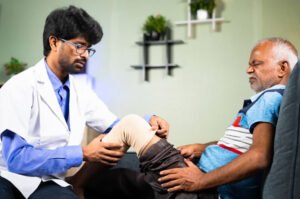
- Ergonomic hazards: Poor workstation design, repetitive movements, and improper lifting techniques.
- Work-at-height hazards: Unprotected edges, unsafe ladders, and inadequate fall protection.
Recognizing these hazards early allows organizations to take preventive action before an incident occurs.
What Is Risk Assessment in Workplace Safety?
Risk assessment is the process of evaluating identified hazards to understand how likely they are to cause harm and how serious the consequences could be.
For example, a wet floor in a factory passage may create a slipping hazard. A safety professional evaluates the likelihood of someone slipping, the potential severity of an injury, and the measures needed to reduce the risk.
A workplace risk assessment generally involves identifying hazards, evaluating risks, implementing suitable control measures, and reviewing whether those measures are effective.
Five Steps of Workplace Hazard Identification and Risk Assessment
1. Identify Potential Hazards
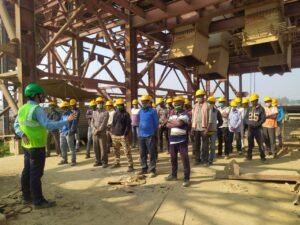
The first step is to inspect the workplace and identify conditions or activities that could cause harm. Safety professionals may conduct workplace inspections, review previous incident reports, consult employees, and examine equipment and work procedures.
For example, an inspection of a construction site may reveal unsecured materials, exposed electrical cables, or workers operating without appropriate fall protection.
2. Determine Who Could Be Harmed
After identifying hazards, determine who might be affected and how. This may include employees, contractors, visitors, maintenance personnel, and other people present at the workplace.
Understanding who is exposed helps safety professionals select appropriate protective measures for different activities and work environments.
3. Evaluate the Level of Risk
The next step is to assess the likelihood of an incident and the potential severity of its consequences. Organizations often use a risk matrix to classify risks as low, medium, or high.
High-risk hazards generally require more urgent attention, particularly when they could result in serious injuries or fatalities. The assessment should also consider the effectiveness of existing safety controls.
4. Implement Suitable Control Measures
Once risks have been evaluated, appropriate measures must be selected to eliminate hazards or reduce risks as far as reasonably practicable.
The hierarchy of controls provides a useful framework:
- Elimination: Remove the hazard completely.
- Substitution: Replace a hazardous material or process with a safer alternative.
- Engineering controls: Isolate people from hazards through guards, barriers, ventilation, or other physical measures.
- Administrative controls: Introduce safe work procedures, training, warning signs, and suitable work schedules.
- Personal protective equipment (PPE): Provide appropriate helmets, gloves, safety footwear, respirators, or other protective equipment.
Whenever possible, higher-level controls should be prioritized over relying only on personal protective equipment.
5. Record, Review, and Update the Assessment
Workplace conditions can change when new machinery is installed, processes are modified, or new materials are introduced. Risk assessments should therefore be documented and reviewed periodically, as well as after significant changes or incidents.
Maintaining accurate records helps organizations track corrective actions, identify recurring problems, and improve their workplace safety practices.
Why Is Risk Assessment Important in Industrial Safety?
Risk assessment is a fundamental part of effective industrial safety management. It helps organizations take a proactive approach rather than responding only after accidents occur.
Key benefits include:
Accident prevention: Identifying hazards early helps organizations introduce preventive measures before workers are harmed.
Improved safety awareness: Regular assessments encourage employees to recognize unsafe conditions and follow established procedures.
Better decision-making: Evaluating risk helps organizations prioritize corrective actions and allocate safety resources effectively.
Equipment and property protection: Appropriate controls can reduce the likelihood of incidents that damage machinery, infrastructure, or materials.
Support for regulatory compliance: Documented risk assessments can help organizations meet applicable occupational safety requirements. The specific requirements depend on the industry, workplace, and relevant legislation.
The Role of a Safety Officer in Risk Assessment
A safety officer helps an organization identify workplace hazards, assess risks, and implement appropriate safety measures. Depending on the job and the organization’s requirements, responsibilities may include:
- Conducting workplace inspections and safety audits.
- Identifying unsafe conditions and work practices.
- Assisting with job safety analysis and risk assessment documentation.
- Recommending suitable control measures.
- Delivering safety awareness sessions and toolbox talks.
- Monitoring the use of safety equipment.
- Investigating incidents and supporting corrective actions.
- Reviewing safety procedures and emergency preparedness arrangements.
These responsibilities require technical knowledge, observation skills, communication abilities, and a practical understanding of workplace hazards.
How Can Students Learn Workplace Risk Assessment?
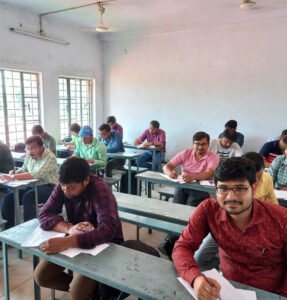
Students interested in industrial safety should look for training that combines fundamental concepts with practical application. Learning how to recognize hazards, evaluate risk levels, understand the hierarchy of controls, and document findings can help prepare them for workplace responsibilities.
Practical exercises, supervised site inspections, case studies, and mock safety assessments can make these concepts easier to understand and apply.
The Swami Vivekananda Development & Educational Trust (SVDET) offers industrial and fire safety education, including its Advanced Diploma in Industrial Safety (ADIS) programme. The trust’s course information includes safety management, risk assessment, safety audits, and related subjects. Prospective students should check the current course curriculum and admission requirements directly with the institute.
Conclusion
Workplace hazard identification and risk assessment are essential components of a proactive safety culture. By recognizing hazards, evaluating potential risks, and implementing effective control measures, organizations can create safer working environments and reduce the likelihood of workplace incidents.
For students planning a career in industrial safety, developing these skills can provide a strong foundation for understanding safety inspections, risk management, and accident prevention.
Interested in pursuing a career in industrial safety? Explore the courses offered by Swami Vivekananda Development & Educational Trust (SVDET) and learn more about its industrial safety training programmes.
Visit svdetrust.in to explore available courses and contact the institute for admission information.
Disclaimer: This article provides general educational information. Workplace risk assessments should be conducted by competent personnel in accordance with applicable laws, industry standards, and site-specific requirements.